
Last Friday, 32 fashion companies came together to sign a new sustainable “Fashion Pact.” Created by French president Emmanuel Macron, the pact united over 150 brands, some of which are even competitors.
The Fashion Pact’s main goals are simple: reduce greenhouse gas emissions, protect oceans, and restore biodiversity. This pact is the first of its kind in the industry, and comes at a crucial time, with the news that we have just 11 years before the planet is irreversibly damaged from climate change. It is also especially important, because of fashion’s notable negative impact on the environment – it’s an industry based on consumerism, and increasingly on quantity over quality. The rise of fast fashion companies is mostly to blame for this.
Fast fashion is causing clothing to be sold at cheaper prices than ever, causing these companies to cut corners – using synthetic fabrics like polyester (derived from oil) and textile production processes with toxic chemicals that create a large amount of wastewater (not usually ethically disposed of), just to name a few. Not to mention the consistent use of sweatshops (the fashion industry is a top supporter of modern slavery).
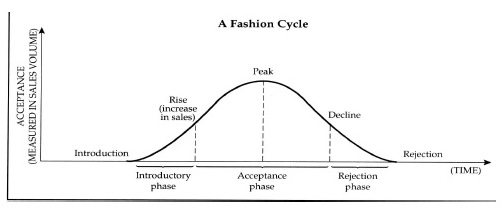
The whole concept of a fast fashion company is inherently not sustainable. Their goal is to produce as much clothing as quickly as possible, to assure customers always have access to the latest fad. Zara, for example, can take clothing pieces from a concept into stores in as little as two weeks – a process that traditionally takes months. It seems like a good idea in theory, but the result is an immense amount of waste. The quicker clothing enters the fashion cycle, the quicker it is disposed of.
That’s why it came as a surprise that brands such as H&M, Forever 21 and Zara were among the brands who signed the pact. These are some of the biggest, most successful fast fashion companies out there. Their ethics are so terrible that H&M actually sparked a worldwide movement to promote ethical and sustainable fashion with the collapse of their factory, the Rana Plaza, in Bangladesh in 2013. The tragedy was preventable and claimed the lives of 1138, the biggest catastrophe in the fashion industry in hundreds of years.
Although the signing of this fashion pact is a historical moment for the industry, and a turn towards potential change, it is hard to not be critical. With fast fashion companies so focused on profit that they’re willing to sacrifice lives and ethics, who is to say they are ready to give up their non sustainable practices over a non-binding pact? Will this pact change the landscape and concept of fast fashion companies, or will it be yet another greenwashing tactic they exploit to remain relevant and trendy?

 Slowing Down Fashion
One thought on “Will sustainable “Fashion Pact” change the landscape of fast fashion?”