
While in our modern age, many industries have replaced human labor with machinery, fashion is one of the few industries in the world where human labor is still a necessity. We simply do not yet have advanced enough technology to work with 3D garments the way humans are able to. Therefore, the fashion industry needs hundreds of thousands of individuals in factories to make these garments for them.
Factories are generally located in countries such as Bangladesh, India, Vietnam, etc. These countries have vulnerable economies and poor labor laws in order to seem more attractive to corporations looking to outsource inexpensive labor. Fashion corporations shop around, looking for the factory that can give them the lowest price and quickest turnover on each line they’re looking to produce.
If a factory can’t give a corporation the low price they’re looking for, they move on to the next one, and the factory loses the opportunity to build a relationship with a company that can give them future contracts and a bit of an income. So, factories do everything they can to maintain a deal with corporations; whether that means extending workers’ shifts by hours, lowering their wages, hiring vulnerable populations of children or underprivileged women, cutting corners on safe infrastructure, etc.
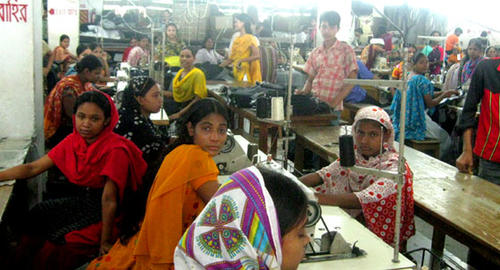
In turn, garment workers at these factories have long working days (sometimes 14-16 hours), often only given short breaks to eat and sleep. Most of the workers live at the factories, and because of the low compensation given to factory owners, their living conditions are extremely poor. They often live and work in damaged buildings, with cracked walls and foundation. One of the best and most tragic examples of this issue is the collapse of the Rana Plaza in 2013, which killed over a thousand people and injured thousands of others. The day before the collapse, workers pointed out cracks in walls to their supervisors, and yet were told to go back to work anyway.

You might ask, why would anyone work these jobs anyway? These jobs are actually in high demand; the countries that garment factories are usually in tend to have a high unemployment rate and low formal education rates, so often women with little to no education see these jobs as an opportunity to provide for their family. These women are often the sole breadwinners, and send whatever is left from their paychecks home to their families.
On average, garment factory workers in Bangladesh make around $27.50 a month. The cost of their meals and board are often subtracted from this price.
Some may suggest the formation of a union to ensure fair wages and working conditions. However, unions are often prohibited in the industry in places such as Bangladesh, giving workers little-to-no say on their situation.
As you can gather from this information, the fashion industry is a large contributor to modern slavery. This is not a sustainable system for those working in factories to live a fulfilling life.
It is practically impossible to reprimand fashion corporations feeding this vicious cycle, as outsourcing to different country with different labor standards makes it complicated to hold them to the standards of their base country.
If you’d like to do something about this, you can vote with your dollar by supporting transparent brands that pay their workers a living wage in decent conditions. For example, Reformation is a sustainable brand that offers tours of their factories, so you can see their conditions for yourself.
Overall, make sure to educate yourself on where your clothing comes from and how it’s made. Check out more information about fashion production from The True Cost, shop consciously, and do your research on the ethics of all of your favorite brands.

 Slowing Down Fashion
One thought on “The Fashion Industry is NOT Sustainable for Factory Workers”