
At its core, Patagonia has an appreciation for the outdoors that their products are meant to compliment. Because of this, a consideration for the environment is built into the brand.
Patagonia openly admits that they don’t consider themselves a “responsibility company.” This is radical in itself, because there is a big dilemma on what being responsible means in a corporate landscape, in which the end goal is usually maximum profit.
With their impressive strides towards sustainability, not claiming to be a “responsible company” is quite humble of them. Patagonia uses a multitude of sustainable materials for their items, such as organic cotton, recycled polyester, recycled nylon, hemp, etc. The recycled polyester and nylon are especially important as those fabrics tend to cause the most environmental harm, so it is important to get as much use as possible out of the textiles that already have been produced.

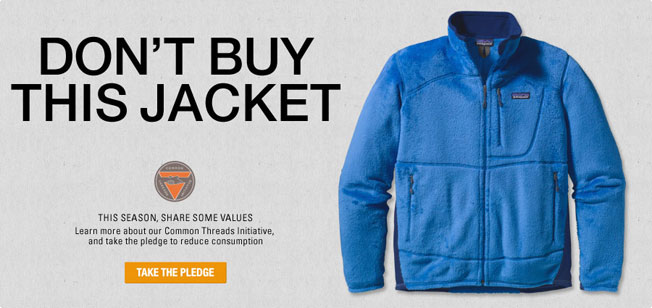
The company even launched a campaign on Black Friday in 2011, which discouraged overconsumption on one of the biggest shopping days of the year.
Patagonia also has a multitude of Fair Trade certified products, is experimenting with plant-based dyes and has a program to recycle and repair merchandise for their customers.

In addition, Patagonia has excellent labor standards, and was awarded the second highest rating in the 2019 Ethical Fashion Report. Their brand is among the few that consider ethics in all aspects of their business.


